Tuesday, December 14, 2010

Mehndi Design


Weddings in India, Pakistan and Bangladesh are considered to be a sacred and sanctified ceremony. They can often be long ritualistic and elaborate affairs with lots of pre-wedding, wedding and post wedding ceremonies.
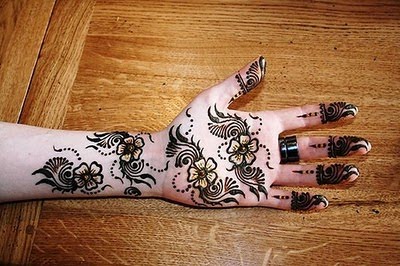
Mehndi designes


Besides being the key ingredient in mehndi, henna has also been used to dye the manes and hooves of horses; to color wool, silk, and animal skins; and to color men’s beards. Studies of mummies dating back to 1200 BC show that henna was used on the hair and nails
of the pharaohs. When the henna plant’s cooling properties were discovered it became very common for the desert people in India to paint their skin and cool down their body temperatures.

Sunday, September 5, 2010

Design Arabic Mehndi wedding,


Design Arabic Mehndi wedding, and there are different types of patterns that make Arabic Mehndi rounds as Mehndi wedding. Although application of the concepts of Western patterns of the Arabic language, and once for the bride in Mehndi, Mehndi Designs today traditional require a lot of good work and likes demand.

mehndi designs 2010


Other Mehndi design make rounds have a flower in Mehndi bride with intricate details, Leith and almost anything that is not traditional. Muslim trend seems rock Mehndi green.

Friday, August 6, 2010

Wedding Mehndi is an elaborate affair in India


Wedding is an elaborate affair in India, comprising of a large number of rituals, customs and traditions. One of the important rituals, especially in context of the bride, comprises of ‘Mehndi’ (commonly known as henna).

As a part of this ritual, the powder of henna leaves is mixed with water (and many-a-times, oil and lemon juice as well), to form a paste.

Henna Mehndi Designs for Wedding


Wedding is an elaborate affair in India, comprising of a large number of rituals, customs and traditions. One of the important rituals, especially in context of the bride, comprises of ‘Mehndi’ (commonly known as henna).

As a part of this ritual, the powder of henna leaves is mixed with water (and many-a-times, oil and lemon juice as well), to form a paste.


This paste is then applied on the hands as well as the feet of the bride, in the form of intricate patterns. The henna is removed only after the design dries off completely. However,

the bride cannot wash her hands and feet with water, for the next 12 hours at least, to make sure that the color comes out to be dark and rich.

Henna Mehndi Designs for Wedding